
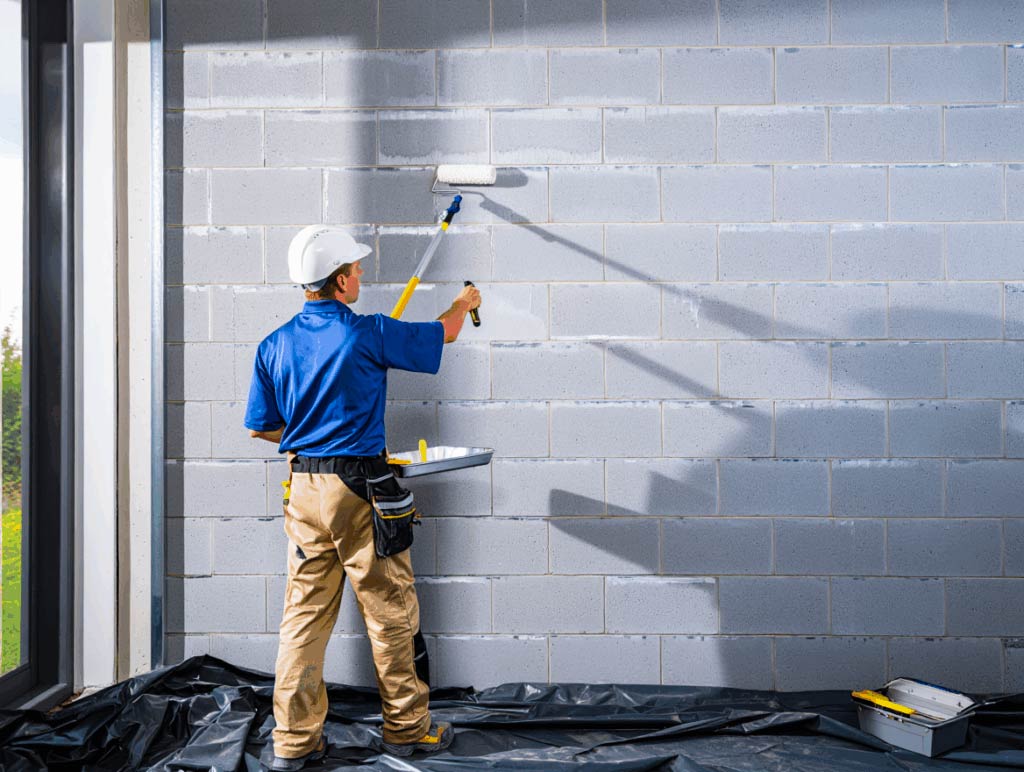
Waterproofing membrane: types and uses
Water is one of the most dangerous agents affecting building surfaces. Whether it's a flat roof, a terrace, or an industrial building, water infiltration can compromise the entire structure, causing aesthetic damage, loss of energy efficiency, and costly repairs.
In this context, the waterproofing sheath It represents a fundamental solution for those who wish to provide long-term protection for surfaces exposed to atmospheric agents.
In this guide we will delve deeper into the different types of sheaths, their specific uses and how to choose the one that best suits your needs, with a look at the advanced nanotechnology solutions such as those developed by Gigaterm.
What is a waterproofing membrane?
The waterproofing sheath is a technical coating designed to create a continuous, water-resistant barrier, preventing infiltrations and stagnation.
It can be applied to various surfaces—concrete, tiles, metal, wood, or ceramic tiles—and is used in both residential and industrial settings.
Main functions
- Protection against water and humidity.
- Increased surface durability.
- Reduction of maintenance costs.
- Improved energy efficiency (in case of reflective sheaths).
Types of waterproofing membranes
Not all sheaths are the same: each type offers specific performance based on the environment, materials, and climatic conditions.
| Sheath type | Main features | Ideal for |
|---|---|---|
| Bituminous sheath | Made from modified bitumen, economical and durable. Applied hot or cold. | Flat roofs, industrial roofing. |
| Slate sheath | Bituminous variant with surface slate flakes that reflect UV rays. | Roofs exposed to the sun and weather. |
| Liquid sheath | Applied by roller or spray, it forms a continuous, seamless membrane. | Terraces, balconies, complex surfaces. |
| Synthetic sheath (PVC, EPDM, TPO) | Flexible, resistant to UV rays and chemicals, quicker installation. | Industrial roofs or large surfaces. |
| Nanotechnological sheath | Water-based, eco-friendly, with high adhesion and breathability. | Renovations, sustainable construction, difficult surfaces. |
Liquid sheath vs. traditional sheath: a new frontier
In recent years the liquid sheath and, even more, the nanotechnological sheath They revolutionized the way of waterproofing.
Unlike traditional roll sheaths, which require overlaps and joints, the liquid versions create a monolithic film, with no weak points where water can infiltrate.
Main advantages of liquid sheaths:
- Easy application even on irregular surfaces.
- No flame or heat work.
- High elasticity, even with temperature changes.
- Suitable for maintenance or restoration work.
- Eco-friendly (in water-based versions).
For Gigaterm, these technologies represent the heart of innovation: the nanotechnological sheath offer long-lasting protection while maintaining breathability and environmental sustainability.
How to choose the most suitable sheath
The choice of sheath depends on various technical and environmental factors. Below is a summary of the main evaluation criteria.
1. Surface type
- Cement or brick: a bituminous or liquid sheath is ideal.
- Metal: a synthetic or nanotechnological sheath is preferable.
- Existing tiles: excellent adhesion with water-based liquid sheaths.
2. Climatic conditions
- Warm and sunny areas → slate or reflective sheathing.
- Humid or cold areas → elastomeric sheath with high mechanical resistance.
3. Intended use
- Accessible roofs (terraces, balconies): walkable sheath.
- Non-practicable roofs: cheaper and lighter sheath.
- Large industrial surfaces: synthetic sheath in heat-sealed sheets
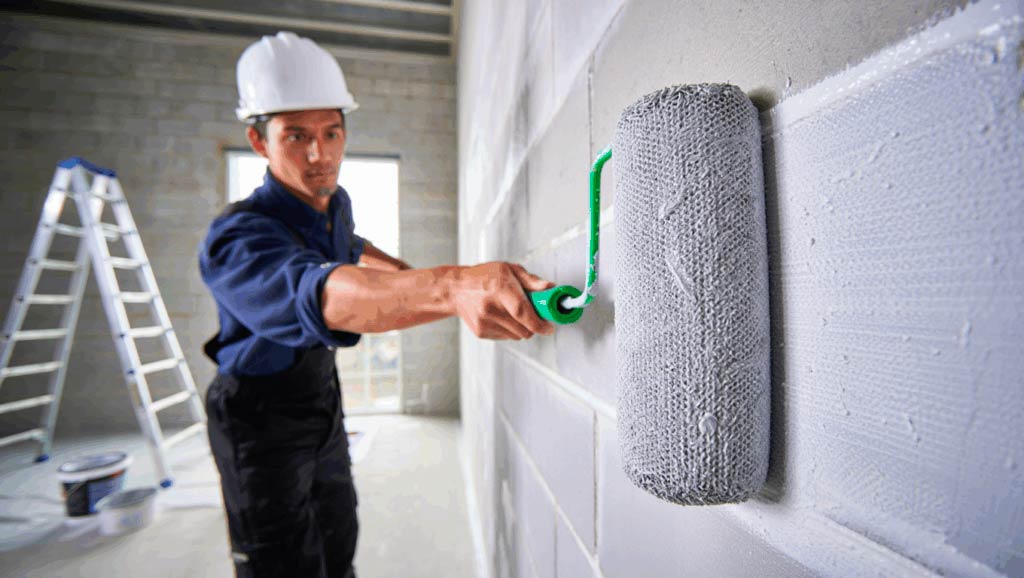
Sheath application: steps and practical advice
The application of the sheath, especially in the liquid or nanotechnological versions, requires attention to detail.
Here are the main ones operational phases recommended by Gigaterm professionals:
- Cleaning and preparation of the substrate – Removal of dust, residues and detached parts.
- Repairing cracks and joints – Use of specific mortars or sealing primers.
- Application of the sheath – By roller, brush or spray, in several crossed coats.
- Final inspection – Check thickness, uniformity and complete coverage.Advise: avoid applications at temperatures below +5°C or with risk of rain in the following 24 hours.
Comparison table of indicative costs
(average indicative values, subject to variations based on materials and workmanship)
| Type of sheath | Average cost per m² | Estimated duration | Difficulty in installation |
|---|---|---|---|
| Traditional bituminous | €10–20 | 10–15 years | Average |
| Slate | €15–25 | 15–20 years | Average |
| Acrylic or polyurethane liquid | €20–30 | 15–25 years | Easy |
| Nanotechnology (water-based) | €25–35 | 20–30 years | Easy |
| Synthetic (PVC/EPDM) | €30–40 | 25–35 years | High |
The Gigaterm nanotechnology solutions They guarantee an excellent balance between performance, durability and sustainability, offering a long-lasting and convenient investment over time.
Common mistakes to avoid
- Not cleaning the surface properly before installation.
- Apply on damp or stagnant surfaces.
- Underestimating the minimum thicknesses required by the manufacturer.
- Do not respect the drying times between one coat and the next.
Perform a job with attention and competence It is the key to achieving truly effective and long-lasting waterproofing.
Conclusions: investing in protection means investing in the future
There waterproofing sheath it is not just a covering, but a real structural damage insurance.
Choosing the right type, relying on certified materials and expert professionals like Gigaterm allows you to prevent infiltrations, mold and deterioration, reducing future maintenance costs and ensuring maximum efficiency over time.
With the new ones water-based nanotechnology solutions, today it is possible to protect any type of surface in a sustainable, long-lasting and safe way.
Frequently Asked Questions
Which waterproofing membrane is most durable over time?
Durability depends on the type of material and exposure to the elements, but in general the synthetic sheaths (PVC, EPDM) and the nanotechnological sheaths offer the greatest resistance over time, with a useful life that can exceed 30 years old.
The sheaths nanotechnology, in particular, guarantee superior adhesion, high elasticity and resistance to UV rays, keeping the surface waterproof and breathable even after years of exposure.
Can I apply a waterproofing membrane over an old covering?
Yes, it is possible, but only under certain conditions.
If the existing surface is stable, clean and free from cracks or detachments, it is possible to apply a liquid or nanotechnological sheath directly above the old coat.
However, before application it is recommended to use a specific primer to improve adhesion and ensure a long-lasting result.
However, if the sheaths are damaged or swollen, they must be completely removed before the next operation.
How much does it cost to waterproof a terrace or roof with sheathing?
The cost varies depending on the type of sheath, the surface area and the complexity of the procedure.
On average, a price can be estimated between 20 and 40 euros per square meter, including materials and labor.
Water-based nanotechnology sheaths, such as those proposed by Gigaterm, represent a solution with excellent value for money, thanks to their long life, sustainability and ease of application, which reduces overall time and costs.

Gigaterm is a leading company in the development, production and installation of water-based nanotechnology coatings, designed to offer innovative, sustainable and high-performance solutions.
 English
  Italian