
Exterior wall cladding: how to protect buildings over time
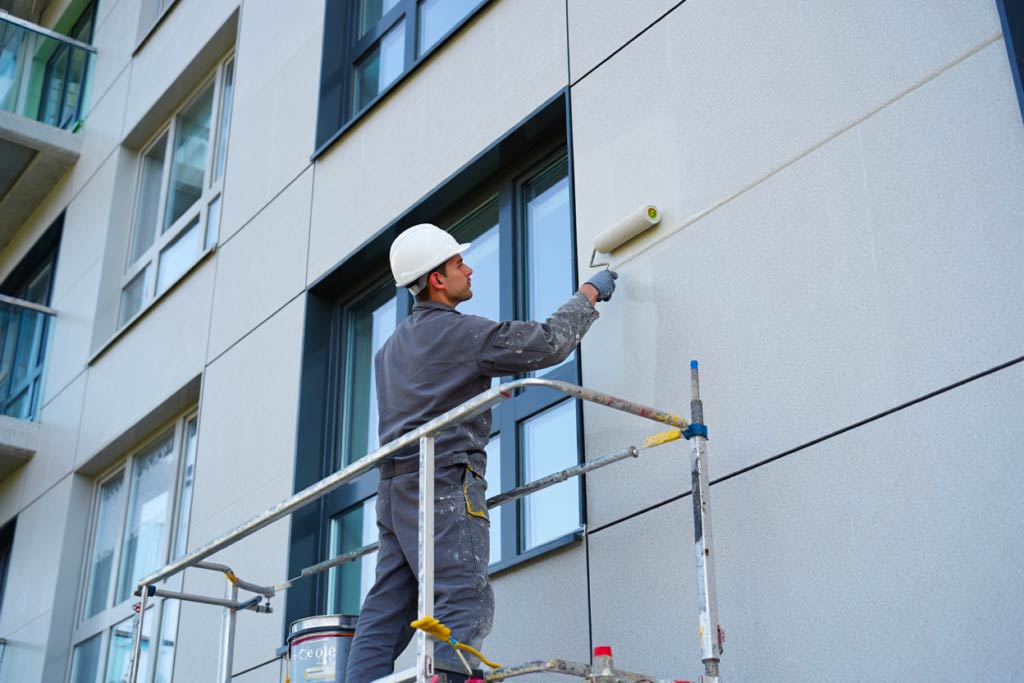
Facade protection is one of the most significant challenges in building management and renovation. external wall coverings They don't just serve an aesthetic purpose, but also act as a true barrier against weather, pollution, and structural degradation. Understanding how to choose and use cladding correctly means investing in the building's durability and long-term value. In this guide, we explore solutions, materials, and selection criteria for effective and long-lasting protection.
Why exterior wall cladding is essential
The external wall coverings They represent one of the most important elements in the protection and preservation of buildings. Facades, in fact, are constantly exposed to environmental stresses that compromise the integrity of the materials over time: driving rain, UV rays, freeze-thaw cycles, air pollution, and temperature fluctuations all affect wall surfaces on a daily basis.
Without an adequate coating system, these stresses can cause water infiltration, microcracks, plaster peeling, and a progressive weakening of the surface structure. The deterioration isn't just aesthetic: moisture penetrating the walls promotes the growth of mold and algae, reduces living comfort, and can lead to increasingly high maintenance costs over time.
A correct intervention on external wall coverings Instead, it creates an effective protective barrier, protecting the building without hindering the natural breathability of the walls. Modern coatings are designed to repel water, resist aging, and maintain consistent performance even in critical climate conditions.
For condominium managers, designers, and property owners, investing in appropriate cladding means adopting a preventative approach: protecting facades today helps avoid more complex and costly remedial work later, preserving the property's value over time and ensuring greater durability of the building envelope.
Types of cladding for external walls and walls
There are several solutions for wall coverings Designed to meet specific needs. The choice depends on the support, the climate, and the intervention objectives.
Main categories of coverings:
- mineral coatings
breathable and resistant, ideal for historic buildings or traditional walls. - acrylic and synthetic coatings
offer good elasticity and protection from atmospheric agents. - siloxane coatings
They combine water repellency and breathability, reducing the risk of degradation. - nanotechnological coatings
advanced solutions that improve protection, durability and, in some cases, thermal performance.
Key functions of external wall cladding
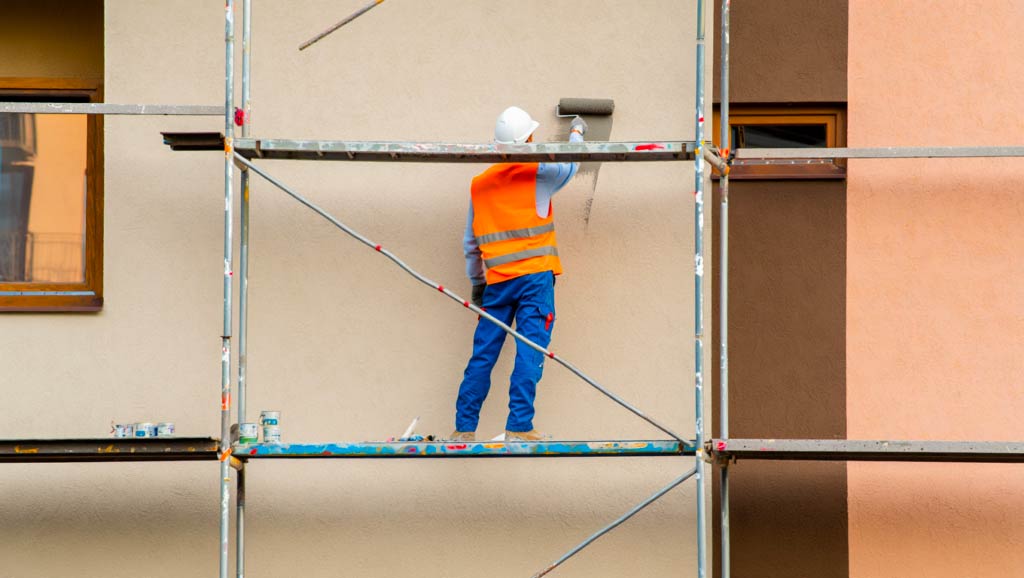
The external wall coverings They don't perform a single function, but rather represent a multifunctional system that significantly contributes to the protection, durability, and comfort of the building. Their effectiveness depends not only on their aesthetics, but above all on the technical performance they guarantee over time.
One of the main functions of the coverings is the weather protection. Rain, wind, snow, and solar radiation continuously act on exterior surfaces, accelerating the deterioration of materials. A suitable coating creates a surface barrier capable of repelling water and reducing moisture absorption, thus limiting infiltration and structural damage.
Another fundamental role is the regulation of the breathability of the walls. New-generation exterior wall coverings are designed to allow water vapor to escape from the building's interior, preventing interstitial condensation. This balance between waterproofing and breathability is essential to prevent mold, saline efflorescence, and plaster peeling.
The coatings also contribute to the improving energy performance of the building envelope. Some advanced solutions help reduce the absorption of solar heat or limit heat loss, supporting energy efficiency strategies and increasing internal comfort, especially during the hottest or coldest periods of the year.
We must not forget the aesthetic function and enhancement of the property. A well-designed exterior wall covering can renew the appearance of facades, even out uneven surfaces, and improve the overall perception of the building. This is particularly important in condominiums or commercial settings, where the appearance directly impacts the property's value.
Finally, the external wall coverings they perform a strategic function reduction of maintenance costs in the long term. Properly protecting surfaces means extending the life cycles of facades, reducing the frequency of repairs, and scheduling maintenance more efficiently and sustainably.
Coatings and protection over time: what to consider
To ensure effective and long-lasting protection, it is essential to analyse some factors before choosing the coverings most suitable.
Things to consider:
- support status (new plaster, deteriorated plaster, mixed media)
- climate exposure (heavy rain, direct sunlight, humid areas)
- breathability needs
- regulatory and performance aspects
- duration and maintenance cycles
An accurate preliminary analysis allows you to avoid costly corrective interventions in the medium term.
Comparison of different coating solutions
| Type of coating | Breathability | Water protection | Estimated duration | Maintenance |
|---|---|---|---|---|
| Mineral | High | Average | Average | Periodical |
| Acrylic | Average | High | Average | Average |
| Siloxane | High | High | High | Reduced |
| Nanotechnology | High | Very high | Very high | Minimum |
This table highlights how more advanced coatings offer a better balance between performance and durability.

Benefits for condominiums and owners
The adoption of external wall coverings high-performance brings concrete benefits, especially for those who manage complex buildings.
Main benefits
- greater protection of structures
- reduction of extraordinary maintenance costs
- improvement of real estate value
- cleaner and longer-lasting facades
- greater living comfort for occupants
For condominium administrators and technicians, these aspects represent a strong decision-making argument.
The role of innovative solutions
The latest technologies, such as nanotechnology-based coatings, allow us to overcome the limitations of traditional systems. These wall coverings They act at the surface and structural levels, providing advanced protection without altering the building's architectural appearance. For companies like Gigaterm, innovation is a key differentiator in offering reliable and sustainable solutions.
Conclusions
The external wall coverings They are a strategic investment to protect buildings over time. Choosing the most suitable system means preventing deterioration, reducing maintenance costs, and enhancing the value of your property. Thanks to increasingly advanced solutions, it is now possible to combine aesthetics, functionality, and durability, ensuring high-performance facades even in complex climates.
Rely on professionals like Gigaterm It allows for a complete, customized application cycle tailored to the property's actual needs, ensuring a safe and high-performance investment over time.

Frequently Asked Questions
What is the difference between exterior wall coverings and simple facade paint?
Exterior wall coverings are not just aesthetically pleasing, they also offer advanced technical protection. Unlike traditional paint, a coating is designed to resist weathering, reduce water absorption, improve the breathability of walls, and, in some cases, contribute to the building's thermal insulation. This makes them more durable and effective over time.
Can every building be clad with the same type of external cladding?
No, the choice of covering depends on several factors: the condition of the walls, climatic exposure, the presence of humidity, the type of substrate, and the objectives of the project. A historic building, for example, requires highly breathable coverings, while a modern structure can benefit from higher-performance and technological solutions. Therefore, a preliminary technical assessment is essential.
Do exterior wall claddings reduce maintenance costs over time?
Yes. A quality coating protects facades from premature wear, limits the formation of cracks, mold, and detachments, and extends maintenance cycles. This reduces frequent and costly repairs, ensuring significant medium- to long-term savings, especially for condominiums and large buildings.
 English
 Italian