
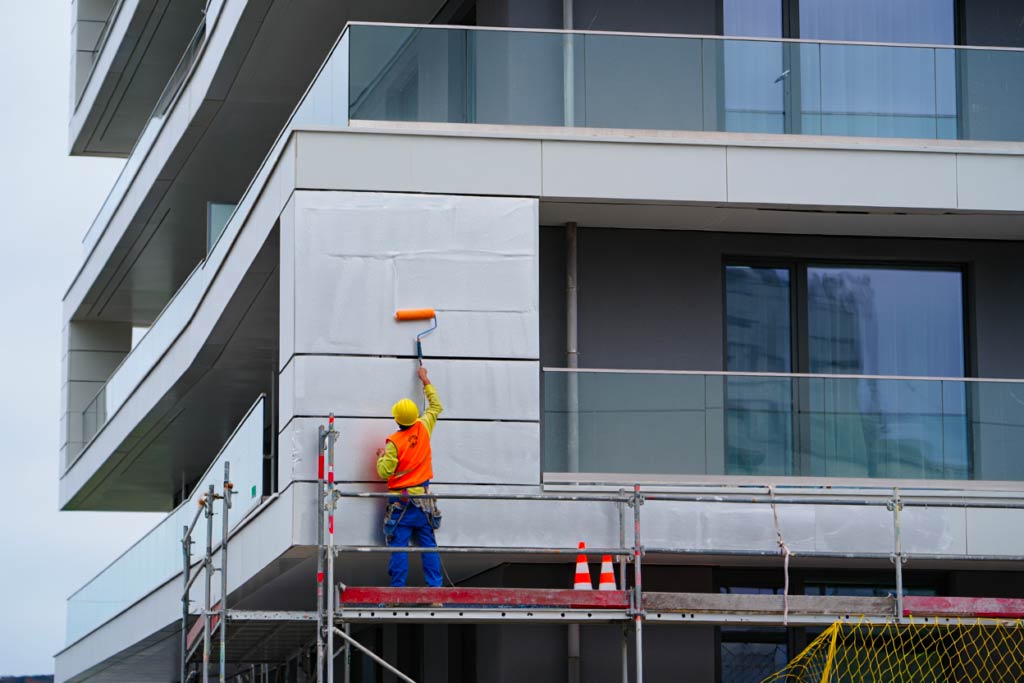
Thermal insulation: effective solutions without a coat
When undertaking an energy retrofit, the first thought almost always goes to the external insulation. However, this solution is not always technically feasible or economically viable. In many existing buildings—inhabited condominiums, listed facades, properties with humidity problems—it is necessary to identify effective alternatives.
Thethermal insulation Thermal insulation without insulation is a rapidly evolving field today: nanotechnologies, heat-reflective coatings, and liquid membranes offer impressive performance with reduced thicknesses and short installation times. In this article, we analyze the most effective solutions, with an operational approach designed for condominium managers, designers, and businesses.
What is thermal insulation and how is it different from external insulation?
Thermal insulation is the set of measures aimed at reducing the flow of heat between the interior and exterior of a building. Thermal insulation is just one way to achieve this goal.
From a physical point of view, energy dispersion occurs through:
-
- Conduction (transmission through walls)
- Convection (air movements)
- Irradiation (heat exchange by radiation)
The most innovative technologies act not only on conduction, but also on the radiant component, improving the overall efficiency of the building envelope.
When a coat is not the ideal solution
There are situations in which the traditional coat presents critical issues:
-
- Architectural or landscape constraints
- Difficulty of intervention in inhabited condominiums
- Problems with rising damp or previous infiltrations
- Need for rapid and minimally invasive interventions
- Limited budget
In these cases, it is advisable to evaluate alternative thermal insulation solutions.
Thermal insulation solutions without a coat
Nanotechnological heat-reflective coatings
The water-based heat-reflective coatings They represent one of the most interesting innovations in the sector. Thanks to the presence of ceramic microspheres or nanotechnological components, these products:
-
- They reflect a significant portion of solar radiation
- Reduce the absorption of summer heat
- They improve internal comfort
- They contribute to the protection of the support
Unlike the coat, the applied thickness is millimetric, but the effectiveness comes from the ability to act on the radiant component and not just the conductive one.
Liquid waterproofing membranes with thermal function
Another solution is represented by the liquid membranes high performance, combining waterproofing and contributing to thermal improvement.
These systems:
-
- They create a continuous barrier without joints
- They protect against infiltrations and thermal shocks
- They improve the durability of the cover
- They can integrate reflective components
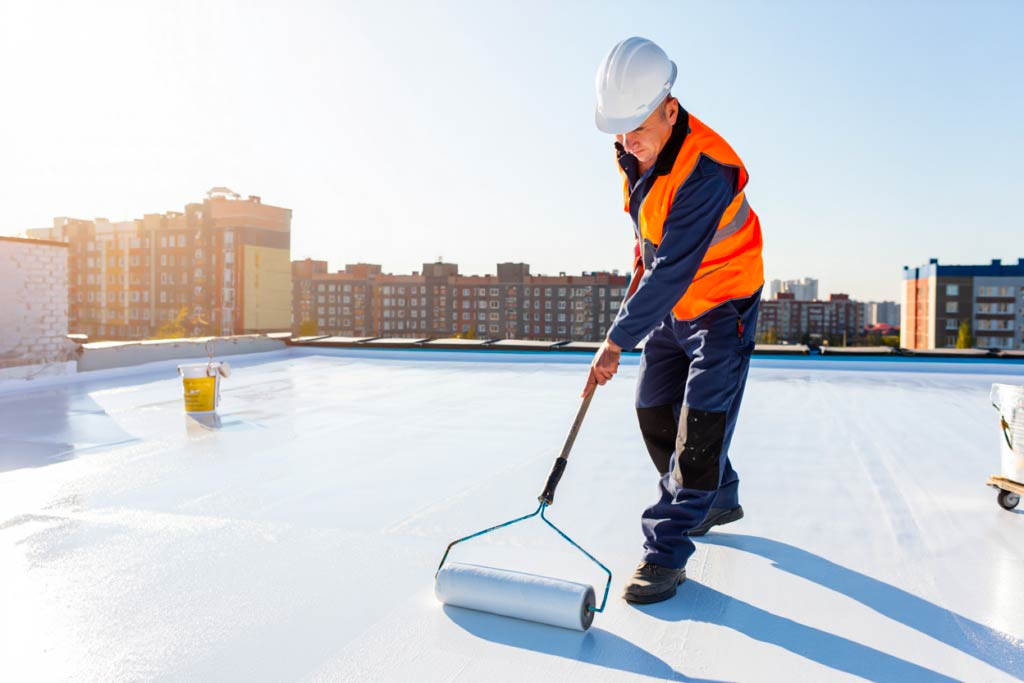
They are particularly effective on flat roofs, terraces and surfaces subject to strong temperature variations.
Insulation from the inside with thin systems
When external intervention is not possible, internal insulation with thin panels or technical cladding can be considered. However, this solution requires:
-
- Preventive thermohygrometric analysis
- Checking for the risk of interstitial condensation
- Accurate design of thermal bridges
It is a valid option but must be approached with planning rigor.
Comparison of the main solutions
| Solution | Medium thickness | Invasiveness | Shutter speed | Main benefits |
|---|---|---|---|---|
| Traditional coat | 8–15 cm | High | Medium-long | High dispersion reduction |
| Heat-reflective coating | 1–3 mm | Low | Brief | Reduction of radiation, summer comfort |
| Waterproof liquid membrane | 1–2 mm | Low | Brief | Protection + solar reflection |
| Thin internal insulation | 2–5 cm | Average | Average | Local improvement of cold walls |
It's clear that each solution addresses different needs. Thermal insulation must be considered as an integrated intervention, not a standardized choice.
Strategic advantages of alternative solutions
Reduction of intervention times
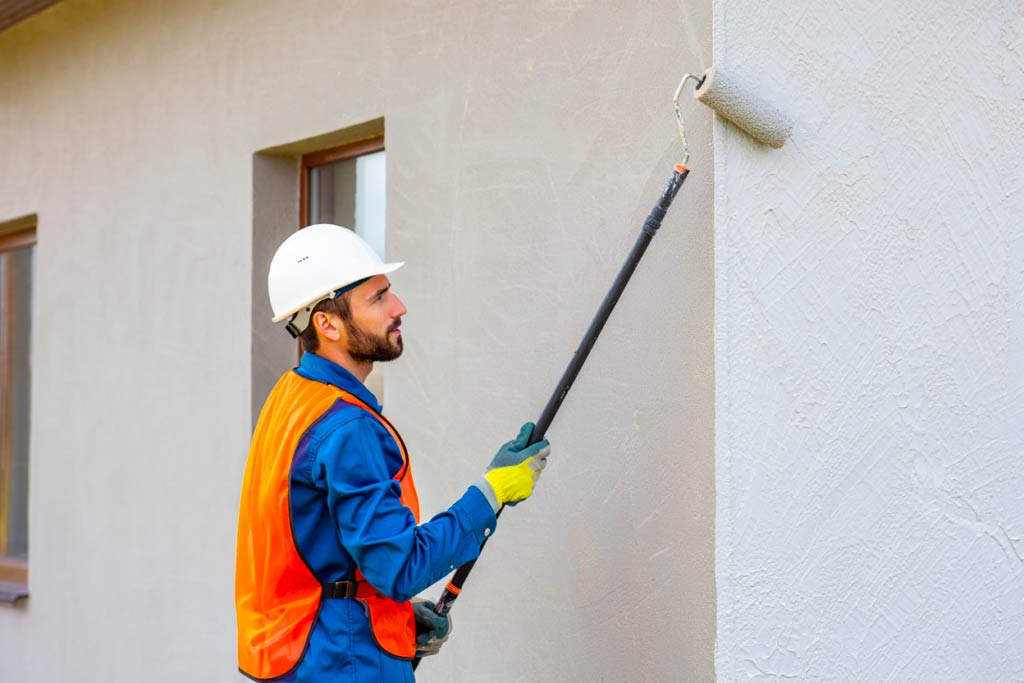
In residential apartment buildings, speed is crucial. Roller- or spray-applied coatings allow for:
-
- Less invasive construction sites
- Less scaffolding
- Reduction of indirect costs
Improving summer comfort
Summer overheating is a growing concern. Reflective surfaces reduce the surface temperature of the substrate, with tangible effects on:
-
- Air conditioning consumption
- Durability of materials
- Perceived well-being
Sustainability and reduction of environmental impact
Water-based, solvent-free technologies meet the needs of sustainable construction. Furthermore, intervention without significant demolition involves:
-
- Less waste production
- Reduction of the construction site footprint
- Resource optimization
How to choose the most suitable solution
The choice of thermal insulation intervention must be based on a preliminary technical analysis that considers:
-
- State of conservation of the support
- Presence of humidity
- Climate zone
- Energy improvement objectives
- Budget available
A common mistake is to evaluate only the U-value of transmittance. In reality, it is also necessary to consider:
-
- Thermal phase shift
- Attenuation factor
- Summer behavior
A consultative approach allows us to identify the most effective combination of protection, waterproofing, and energy efficiency improvements.
The role of innovation in the thermal insulation sector
The market is moving toward increasingly high-performance and less invasive solutions. Technological evolution has led to the development of:
-
- Multifunctional coverings
- High solar reflectance products
- Integrated waterproofing and insulating systems
The goal is not to completely replace the coat, but to expand the range of options available for targeted and intelligent intervention.
Conclusions
Thermal insulation without external insulation is not a makeshift solution, but a technical strategy that responds to specific design needs. In contexts where external insulation is not feasible or economically viable, nanotechnologies, heat-reflecting coatings, and liquid membranes represent concrete and high-performance alternatives.
The key is a thorough preliminary analysis and a conscious choice of materials, with the aim of improving living comfort, protecting the building envelope, and optimizing costs in the medium to long term.
For condominium administrators, surveyors, and designers, it's essential to understand all the options available on the market today: innovation in the thermal insulation sector allows for targeted, sustainable, and high-value-added interventions.

Gigaterm is a leading company in the development, production, and installation of water-based nanotechnology coatings, designed to offer innovative, sustainable, and high-performance solutions.
FAQ
L’isolamento termico senza cappotto è davvero efficace?
Sì, l’isolamento termico senza cappotto può essere efficace se la soluzione è scelta in base alle caratteristiche dell’edificio. Rivestimenti termoriflettenti e membrane liquide non sostituiscono sempre il cappotto in termini di abbattimento della trasmittanza, ma migliorano significativamente il comfort interno, riducono il surriscaldamento estivo e proteggono le superfici dagli shock termici.
Qual è la differenza tra cappotto tradizionale e rivestimento termoriflettente?
Il cappotto tradizionale agisce principalmente sulla conduzione, aumentando lo spessore isolante della parete.
Un rivestimento termoriflettente, invece, lavora soprattutto sulla componente radiante, riflettendo parte dell’energia solare e limitando l’assorbimento di calore.
La scelta dipende dall’obiettivo: riduzione delle dispersioni invernali, miglioramento estivo o intervento combinato.
In quali casi è consigliato un isolamento termico alternativo al cappotto?
È consigliato quando:
- L’edificio è soggetto a vincoli architettonici
- Non è possibile aumentare lo spessore delle facciate
- Si vuole evitare un cantiere invasivo
- Sono presenti problematiche di impermeabilizzazione
- Il budget non consente un intervento completo
In questi casi, un sistema alternativo può rappresentare una soluzione tecnica razionale.
 English
  Italian