

Exterior paint: which one to choose for long-lasting protection
When it comes to protecting a building's exterior surfaces, choosing the right paint isn't just a matter of aesthetics. A good exterior coating protects walls from the elements, pollution, humidity, and natural deterioration of materials. In this article, we clearly and authoritatively analyze the most effective types of exterior paint, their functional advantages, and the criteria to consider for an informed choice.
Why it's important to choose the right exterior paint
Exterior surfaces are constantly exposed to rain, wind, sun, temperature fluctuations, and smog. If not properly protected, they tend to deteriorate, with aesthetic and structural consequences. Quality exterior paint ensures:
- Protection over time
- Balanced breathability and waterproofness
- Long-lasting adhesion to the substrate
- Resistance to UV agents
- Color unchanged over time for the benefit of aesthetics
Acrylic paints: versatility and resistance
Acrylic paints are among the most widely used for exteriors. Water-based, they are easy to apply, dry quickly, and provide good coverage. Their main characteristics:
- Excellent resistance to atmospheric agents and UV rays
- They prevent thermal bridges
- Easy to clean and repaint
- Available in a wide range of colors
They are ideal for concrete surfaces, civil plasters, and facades of residential and commercial buildings.
Siloxane paints: the choice for harsh environments
Siloxane paints combine the properties of mineral and acrylic paints. They have a high siloxane resin content, which makes them:
- Water repellents: repel water without compromising breathability
- Highly resistant to atmospheric agents and dirt
- Stable over time, even in marine or industrial environments
They are particularly suitable for historic facades, walls exposed to frequent rainfall, or strong sunlight. Their lifespan can exceed 10 years, with low maintenance requirements.
Silicate paints: ideal for historic buildings and restorations
Silicate paints are mineral-based, consisting mainly of potassium silicate. They offer:
- Extremely high breathability: ideal for walls subject to rising damp
- Chemical bond with the support: excellent durability and peel resistance
- High resistance to mold, algae and bacteria
They are preferred for the conservation and restoration of historic buildings. They are not suitable for non-mineral surfaces or those previously painted with organic paints.
Elastomeric paints: protection against microcracks
Elastomeric paints are formulated to create a flexible film that adapts to the movement of the substrate. This makes them perfect for:
- Cover and seal microcracks
- Prevent water infiltration
- Tolerating high thermal stress
They are widely used on walls subject to structural movement, or on surfaces exposed to significant temperature fluctuations. The protective film is very durable, but may have less breathability than other solutions.
Selection criteria: how to choose the right paint
Choosing the most suitable exterior paint depends on several factors:
- Media type: masonry, concrete, plaster, already painted surface
- Climate conditions: humidity, sun exposure, temperature
- Aesthetic needs: matte, satin or glossy finish; color
- Regulatory or architectural constraints: especially in historic centers
- Desired durability and ease of maintenance
An initial technical assessment can avoid costly repairs in the future. For this reason, it is advisable to rely on experienced professionals or specialized manufacturers.
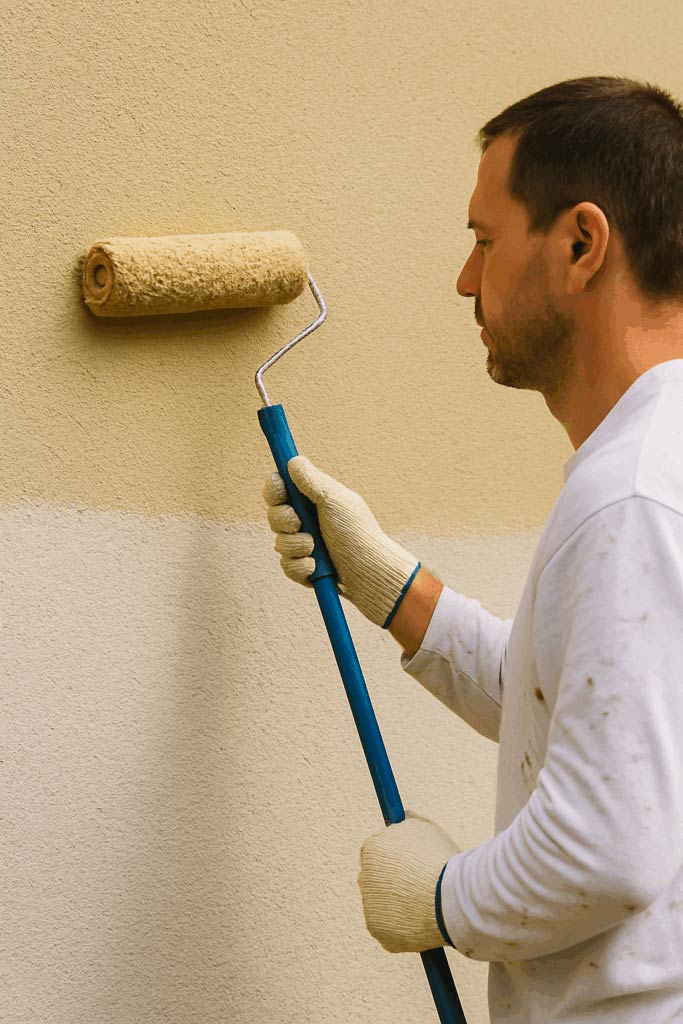
Rules to follow for correct application
Even the best paint can yield disappointing results if not applied correctly. Here are some good rules to follow:
- Prepare the support well: cleaning, removal of old paint, possible application of primer
- Respect the ideal environmental conditions: avoid application in direct sunlight or in high humidity
- Follow the technical instructions on the number of coats and drying times
- Regularly check the condition of the facade and carry out light maintenance when necessary.
Conclusions
Choosing exterior paint is a technical decision that affects the longevity and aesthetic quality of a building. In this article, we've looked at:
- The main types of exterior paints and their advantages
- The most suitable application contexts for each solution
- The criteria to consider for a correct and lasting choice
Using a paint that's appropriate for the context, applied according to professional criteria, is the key to protecting surfaces, saving money in the long run, and enhancing the value of your building heritage.
Frequently Asked Questions
Which paint is most weather resistant?
Siloxane paints offer excellent resistance to rain, UV and smog.
Can I apply new paint over an existing old coat?
Yes, but only after checking the adhesion of the old layer and having carried out correct preparation of the substrate.
Can I apply it myself or do I need a professional?
It is recommended to rely on a professional to ensure correct application and maximum results.
Gigaterm is a leading company in the development, production, and installation of water-based nanotechnology coatings, designed to offer innovative, sustainable, and high-performance solutions.

 English
  Italian